Product Description
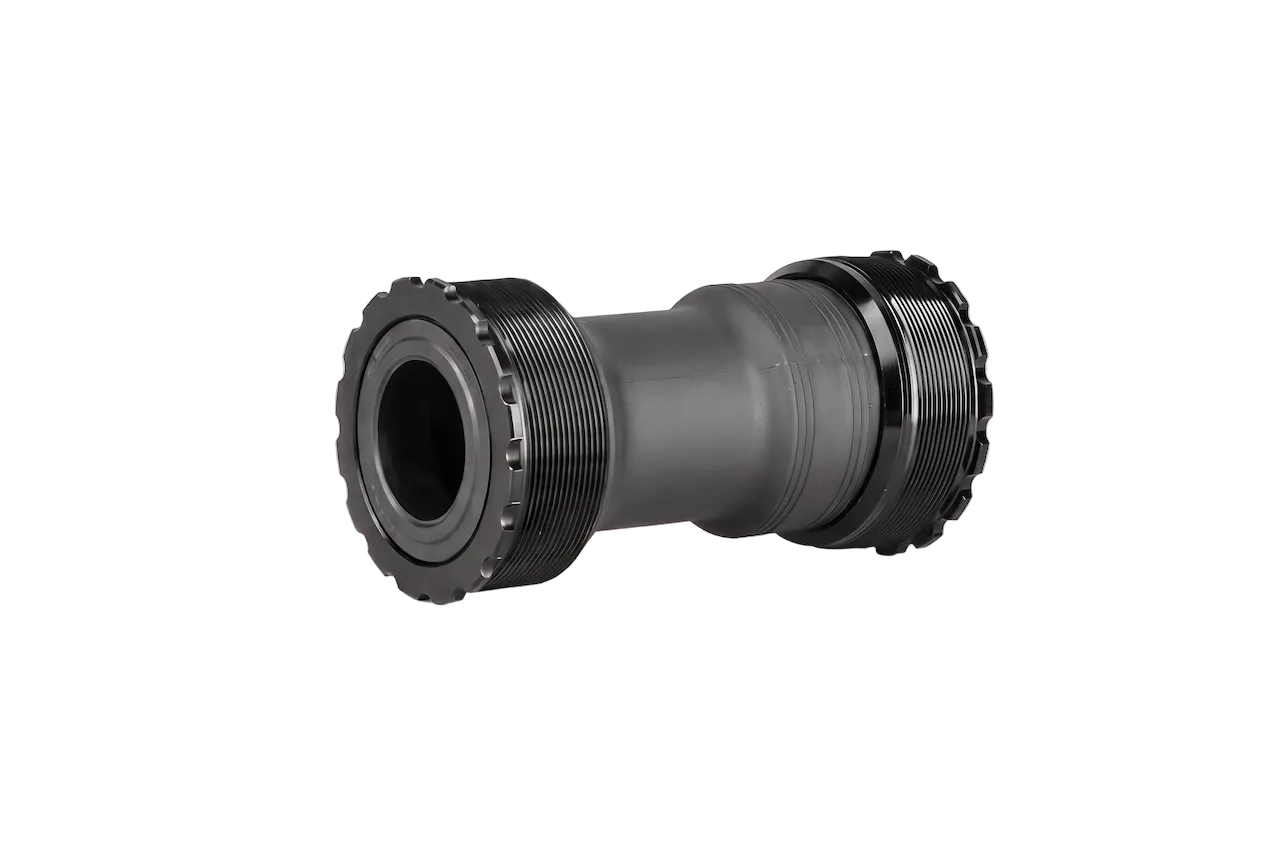
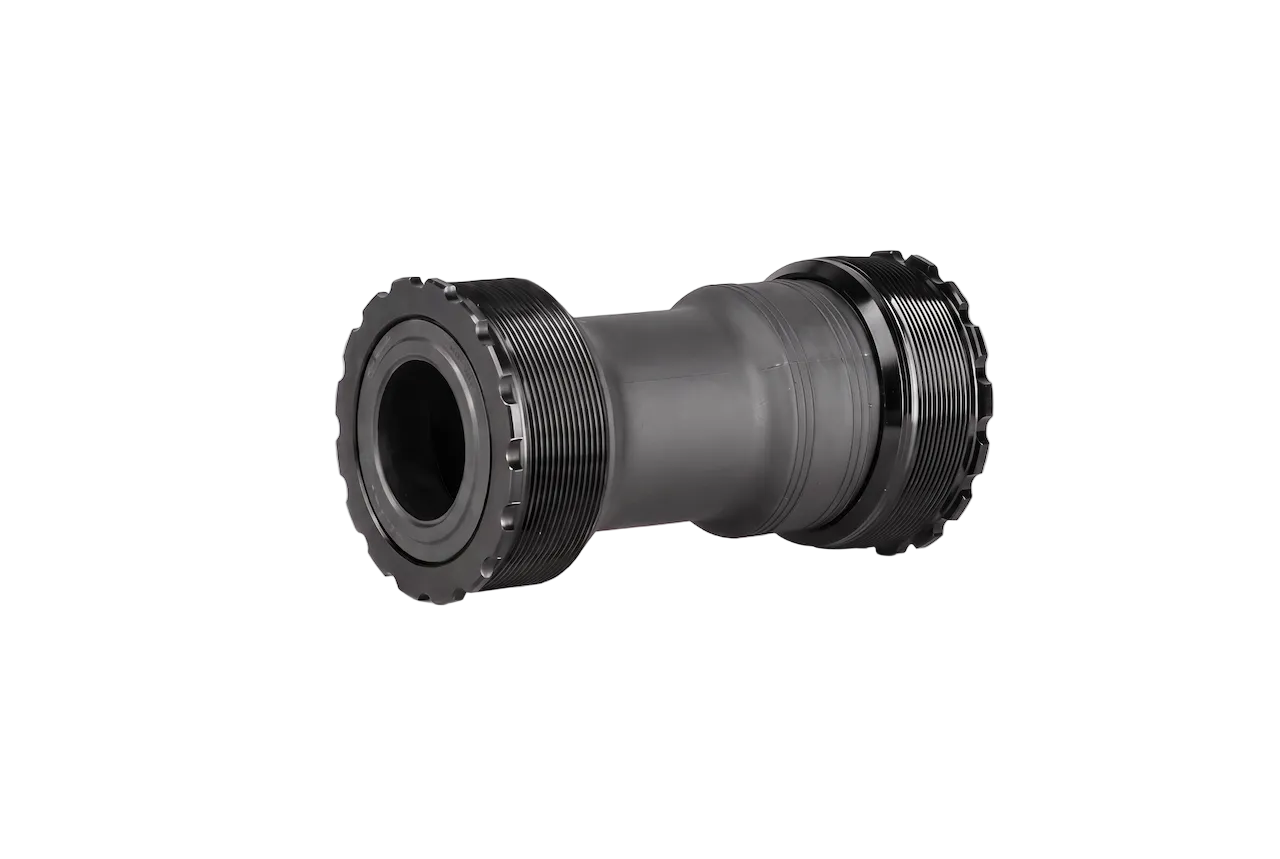
.bb-pdp { font-family: inherit; font-size: inherit; color: inherit; } .bb-pdp h4 { font-size: 16px; font-weight: 700; margin: 28px 0 8px; border-bottom: 1px solid #e0e0e0; padding-bottom: 4px; } .bb-pdp p { margin: 0 0 12px; } .bb-pdp ul { margin: 0 0 12px; padding-left: 22px; } .bb-pdp li { margin-bottom: 5px; } .bb-pdp a { color: #0055cc; } .bb-pdp .note { font-style: italic; font-size: 13px; color: #555; } .bb-divider { border: none; border-top: 1px solid #e5e5e5; margin: 32px 0; } .bb-grid { display: flex !important; flex-wrap: wrap; gap: 12px; align-items: stretch; margin: 12px 0 20px; } .bb-card { flex: 1 1 250px; min-width: 230px; box-sizing: border-box; border: 1px solid #ddd; border-radius: 10px; padding: 14px 16px; } .bb-card strong { display: block; font-size: 14px; margin-bottom: 6px; } .bb-card ul { margin: 6px 0 0; padding-left: 18px; font-size: 13px; color: #444; } .bb-callout { border-left: 3px solid #111; padding: 14px 20px; margin: 20px 0; background: #fafafa; font-size: 13px; color: #444; line-height: 1.6; } Threaded. Serviceable. Quiet. A T47 bottom bracket for frames with an 86mm threaded shell, built around SRAM's DUB 29mm spindle standard. Internal bearing design, aluminum alloy construction, 108 grams, with the full spacer kit for both Road and Road Wide chainlines in the box. Why T47 threaded beats press-fit Press-fit bottom brackets are pressed into the frame with an interference fit. When that fit is even slightly off — from manufacturing tolerance, from a frame that's flexed, from a bearing cup that's worked loose over a season — you get creaking. And press-fit creak is famously hard to chase down, because the noise travels and the fix usually means pulling the whole thing ba ck out with a press. T47 threads in. A threaded interface doesn't rely on tolerance to stay put; it relies on threads, which either engage or don't. The result is a quieter bottom bracket, better bearing alignment, and a longer service life because the bearings aren't being subtly distorted by an imperfect press. It's also the standard you can service yourself. Threaded cups install and remove with a standard bottom bracket tool. No press, no drift, no shop visit. If you're the kind of rider who'd rather do it on your own bench, this is the standard you want. T47 also uses a larger shell diameter than a traditional BSA threaded bottom bracket, which means larger bearings and more room for a fat spindle — the reason it's become the standard of choice on modern carbon and titanium frames. Fitment — three things have to match 1. Your frame shell T47 threaded , 47mm inner diameter 86mm wide Not compatible with BSA, PF86, BB86, BB30, or PF30 shells 2. Your crank spindle SRAM DUB, 29mm Not compatible with 24mm (Shimano, GXP) or 30mm spindles Works with DUB and DUB Wide cranks 3. Your chainline Road: 45mm Road Wide: 47.5mm Spacers for both are included If you're unsure about your shell standard, measure the width of your bottom bracket shell and look for threads inside it. A T47 shell is visibly larger than a BSA shell and has threads all the way through. Road and Road Wide, both covered SRAM's road cranks come in two chainlines, and which one you have determines how the bottom bracket gets spaced. Standard Road — 45mm chainline. The setup on most road bikes and shorter-chainstay all-road frames. Uses the 1mm, 2mm, and/or 3mm spacers. Road Wide — 47.5mm chainline. The wider setup for gravel frames with longer chainstays and bigger tire clearance. Uses the 2.5mm and 5.5mm spacers. All five spacers ship in the box, so you can run either configuration and change your mind later if you swap cranksets. Which do you have? If your crank is a Wide or XPLR model, or your frame's spec sheet calls for a 47.5mm chainline, you want the Road Wide spacing. Otherwise you're on standard Road. Follow SRAM's spacing chart for your specific crankset rather than guessing — chainline directly affects shift quality and chain wear. Internal bearing design The bearings sit inboard, inside the shell, rather than hanging outboard of it. On an 86mm shell that's the right arrangement — you get a wider bearing stance for better support of the spindle without adding width at the cranks, so Q-factor stays where the frame designer intended. Sealed cartridge bearings keep water and grit out. Aluminum alloy cups with composite internals keep the weight at 108g. Specifications Standard: T47 threaded Shell inner diameter: 47mm Shell width: 86mm Spindle compatibility: SRAM DUB, 29mm Bearing type: Internal, sealed cartridge Material: Aluminum alloy with composite internals Chainline: Road (45mm) and Road Wide (47.5mm) Spacers included: 1mm, 2mm, 3mm (Road) · 2.5mm, 5.5mm (Road Wide) Weight: approximately 108g Color: Black Installation You'll need a bottom bracket tool that matches the cup interface and a torque wrench. Grease the frame threads before installation — this is the single most effective thing you can do to prevent creaking and to make removal possible in two years. Note the thread direction. Like most threaded bottom brackets, the drive side is reverse-threaded. Turning it the wrong way with force is how threads get damaged. Set your spacers before final torque, following SRAM's spacing chart for your crankset and chainline. Then set the crank's preload collar properly — not so tight that there's drag, not so loose that there's play. Both will shorten bearing life. If you aren't set up for bottom bracket work, this is a quick job at any shop.

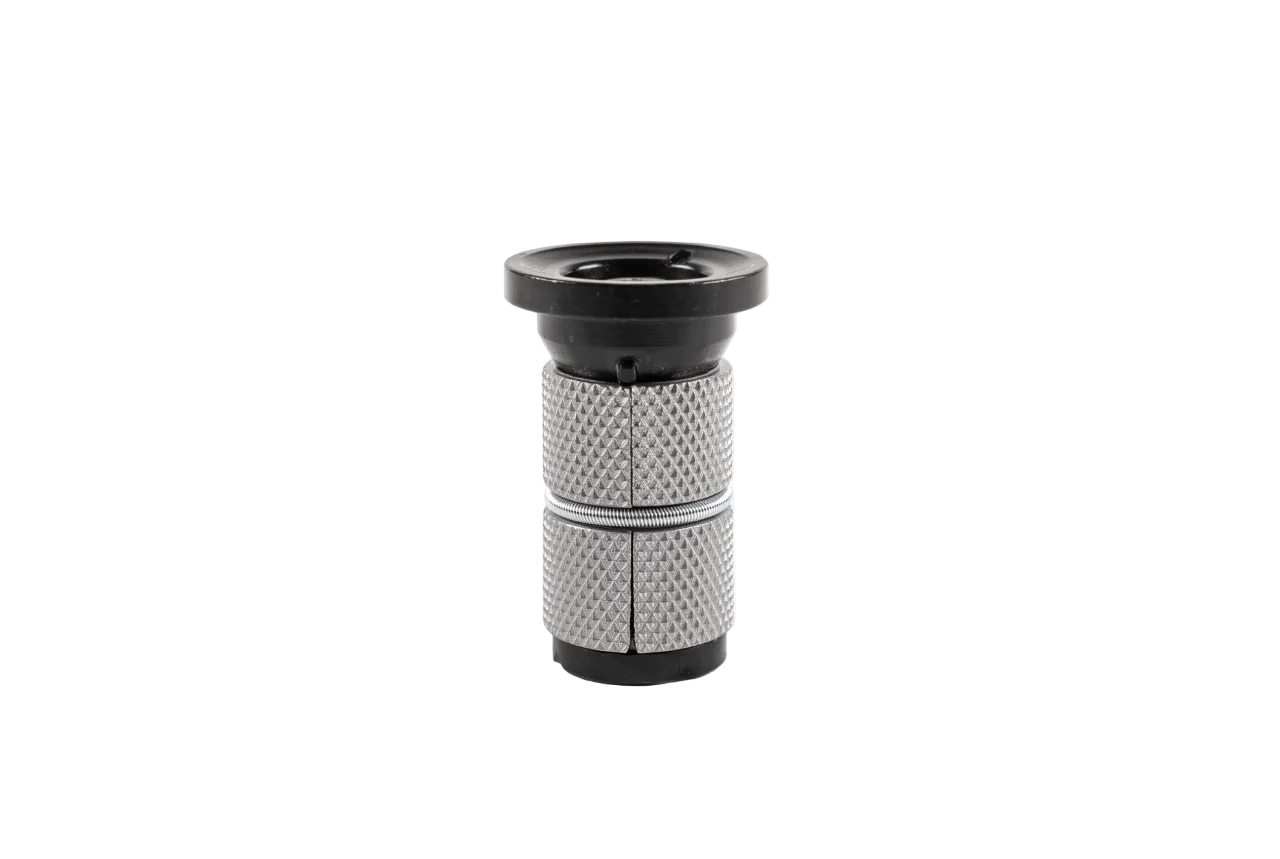
T47 Bottom Bracket — 86mm, DUB (29mm), Internal Bearing- For Road & Road-Wide
$34.99
In Stock
at State Bicycle CO.
Price verified today
 Amazon
 eBay
eBay
Product Details
Brand
State Bicycle Co.