Product Description
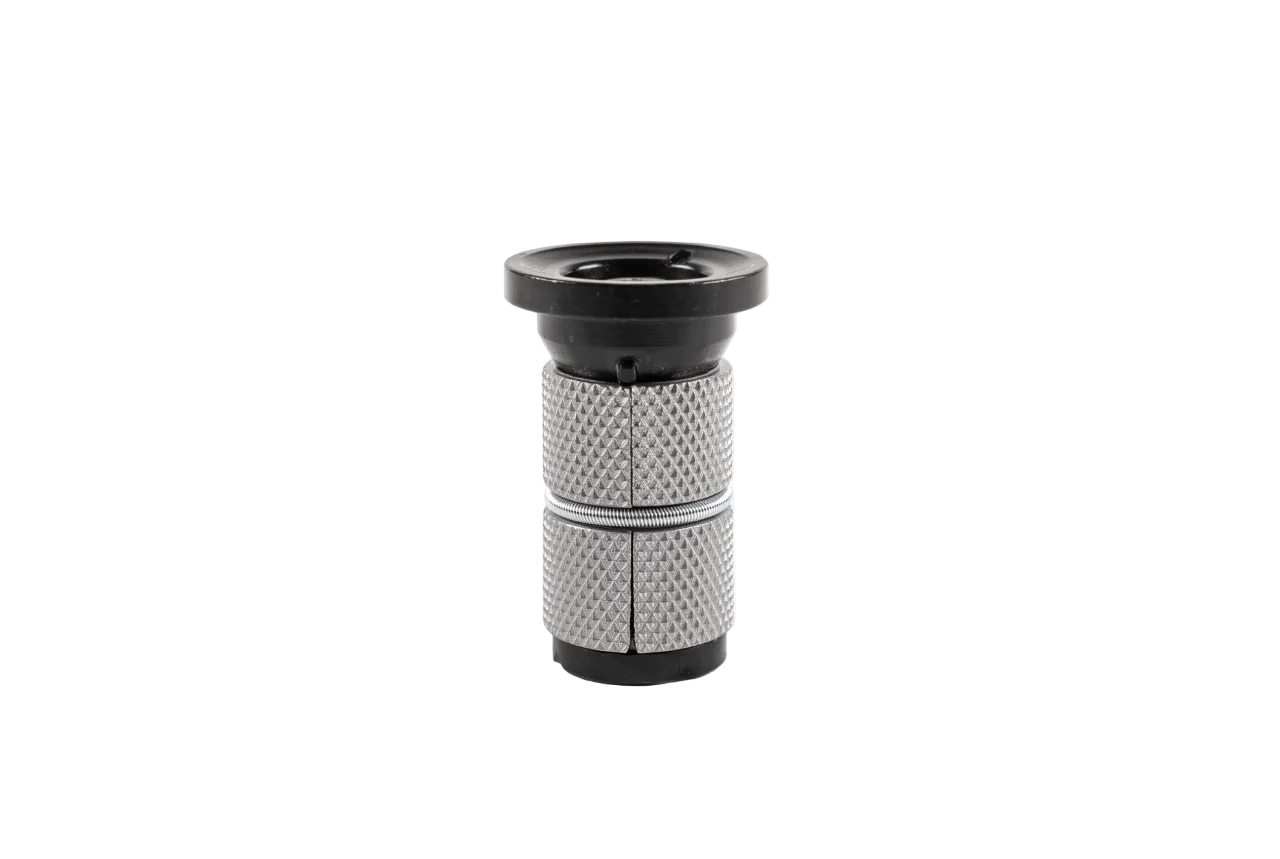
.cp-pdp { font-family: inherit; font-size: inherit; color: inherit; } .cp-pdp h4 { font-size: 16px; font-weight: 700; margin: 28px 0 8px; border-bottom: 1px solid #e0e0e0; padding-bottom: 4px; } .cp-pdp p { margin: 0 0 12px; } .cp-pdp ul { margin: 0 0 12px; padding-left: 22px; } .cp-pdp li { margin-bottom: 5px; } .cp-pdp a { color: #0055cc; } .cp-pdp .note { font-style: italic; font-size: 13px; color: #555; } .cp-divider { border: none; border-top: 1px solid #e5e5e5; margin: 32px 0; } .cp-grid { display: flex !important; flex-wrap: wrap; gap: 12px; align-items: stretch; margin: 12px 0 20px; } .cp-card { flex: 1 1 250px; min-width: 230px; box-sizing: border-box; border: 1px solid #ddd; border-radius: 10px; padding: 14px 16px; } .cp-card strong { display: block; font-size: 14px; margin-bottom: 6px; } .cp-card ul { margin: 6px 0 0; padding-left: 18px; font-size: 13px; color: #444; } .cp-callout { border-left: 3px solid #111; padding: 14px 20px; margin: 20px 0; background: #fafafa; font-size: 13px; color: #444; line-height: 1.6; } The part that makes a carbon steerer work. An aluminum alloy expander plug for 1-1/8" carbon steerer tubes. 45mm long, black anodized, and the correct way to anchor your top cap on a fork you can't put a star nut in. Why a carbon steerer can't use a star nut On an alloy or steel steerer, a star nut gets hammered down inside the tube. Its arms bite into the wall and hold, which is fine — metal deforms locally and moves on with its life. Do that to carbon and you've started a crack. Carbon has no yield point in the way metal does; it doesn't dent, it fractures. A star nut's arms concentrate load into a handful of tiny points on a thin wall, and the failure mode is a steerer that splits at the top — which is the worst place on a bike for something to fail. An expander plug solves it by spreading load instead of concentrating it. Tightening the central bolt pulls a tapered wedge into a split sleeve, which pushes outward evenly against the full circumference of the steerer wall. Even pressure, no bite points, no crack initiation. If your fork has a carbon steerer, this isn't an upgrade — it's the required part. Never install a star nut in a carbon steerer tube. What it actually does (and doesn't) Worth being clear, because this gets misunderstood constantly. What it does: gives your top cap bolt something to thread into. Tightening the top cap pulls the stem and spacers down against the headset, which sets your headset bearing preload. That's the whole job. What it doesn't do: hold your stem on. Once the headset is preloaded and the stem's pinch bolts are torqued, the stem is held by clamping force alone. You could remove the top cap entirely and the stem would stay put. Understanding that distinction matters for one practical reason: the top cap bolt should be snug, not tight. It's setting bearing preload, not holding anything together. Cranking it down is how people damage headset bearings and pull expanders loose. 45mm of contact Many expander plugs engage only 25–30mm of steerer. This one runs 45mm. More length means more surface area spreading the expansion force, so the pressure at any given point on the carbon wall is lower. It also puts the plug's support deeper into the tube — closer to the zone where the stem clamps, which is where a steerer sees the most stress. On a bike with a tall spacer stack, that extra depth is worth having. What's in the box Included Expander plug body Expansion wedge and sleeve Expansion bolt Not included Stem top cap Top cap bolt Most riders already have a top cap and bolt from their existing setup, and they transfer over. If you're building from scratch or yours is missing, you'll need to source them separately. Fitment Steerer diameter: 1-1/8" (28.6mm) Steerer material: Carbon — also works in alloy steerers, though a star nut is fine there Length: 45mm Not compatible with 1" or 1.5" steerers, or tapered steerers at their lower diameter Check your steerer's internal clearance before ordering. Some forks have an internal taper or a molded feature near the top that limits how deep a plug can seat — if yours does, a 45mm plug may bottom out before it's fully inserted. Specifications Type: Compression plug / expander plug Steerer size: 1-1/8" Length: 45mm Material: Aluminum alloy Color: Black Included: Plug assembly and expansion bolt Not included: Top cap and top cap bolt Installation Straightforward, and worth doing carefully — this is a safety-critical part on a safety-critical component. 1. Grease the threads and the wedge. Grease the expansion bolt and the tapered faces so the wedge draws smoothly and you're not fighting friction when you set torque. Leave the outside of the sleeve dry, or use carbon assembly paste — never grease where it contacts the steerer wall. 2. Set the depth. The plug should sit far enough down that the top of it is below the top of the steerer, so the top cap pulls against the stem and spacers rather than bottoming on the plug. A few millimeters of gap between the top of the steerer and the top of the stem is what you want. 3. Torque the expansion bolt to spec. Most expanders call for somewhere in the 5–7 Nm range, but follow your fork manufacturer's figure — some carbon forks specify lower. Use a torque wrench. Over-tightening an expander is one of the more common ways carbon steerers get damaged, and the damage doesn't show until it fails. 4. Set headset preload with the top cap. Snug only — enough to remove play, not enough to add drag. Then torque the stem pinch bolts to the stem's spec. 5. Check it. Front brake on, rock the bike forward and back. No knocking at the headset. Lift the front wheel and let the bars fall side to side — they should swing freely with no notchiness. If you're not set up for torque work, have a shop do it. A headset that's wrong is a headset you feel every ride, and a steerer that's over-torqued is one you don't feel until you do.

Carbon Fork Compression Plug — 1-1/8", 45mm, Alloy
$14.99
In Stock
at State Bicycle CO.
Price verified today
 Amazon
 eBay
eBay
Product Details
Brand
State Bicycle Co.